
Huya Aniwa Institute:
La Noria, Mexico
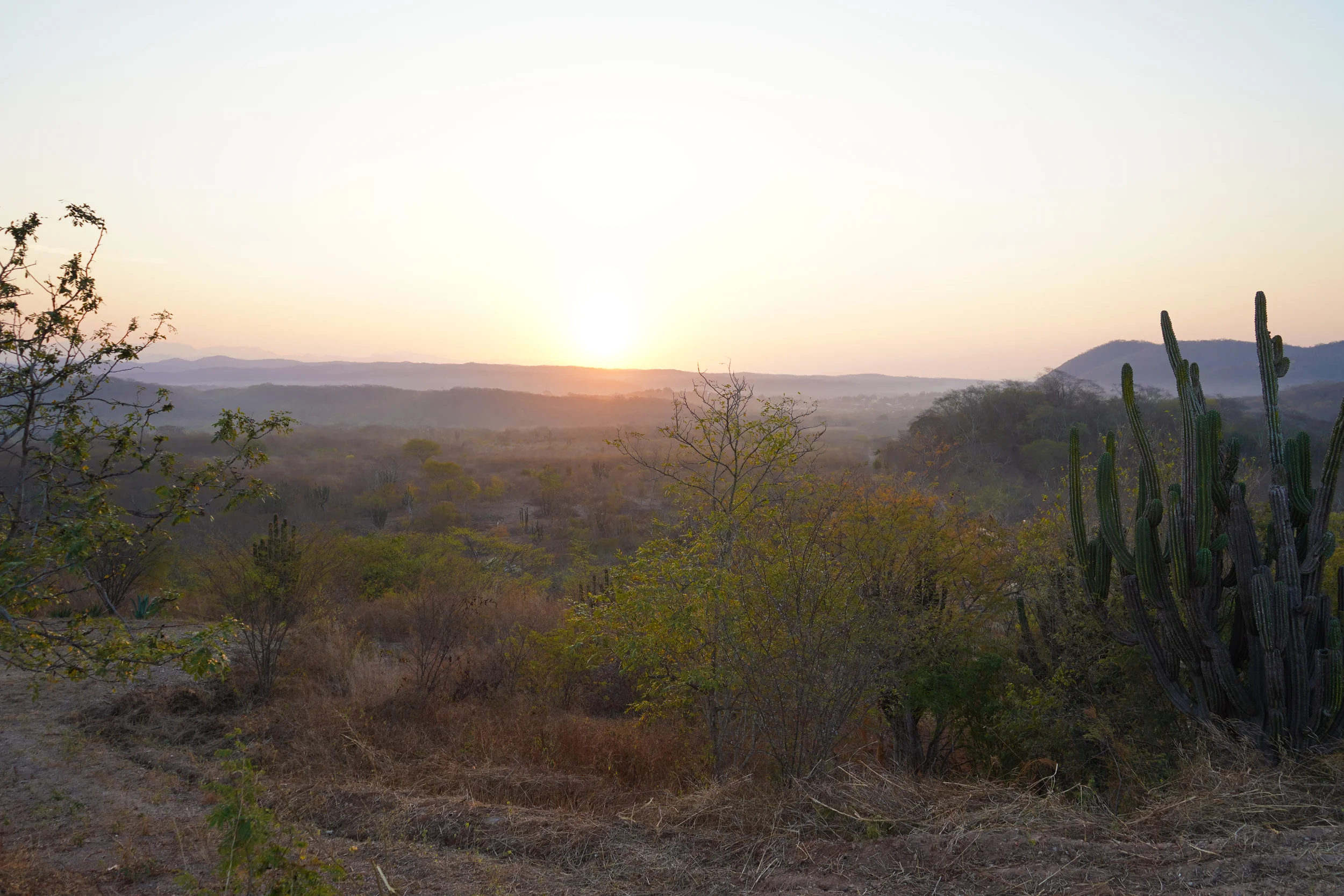
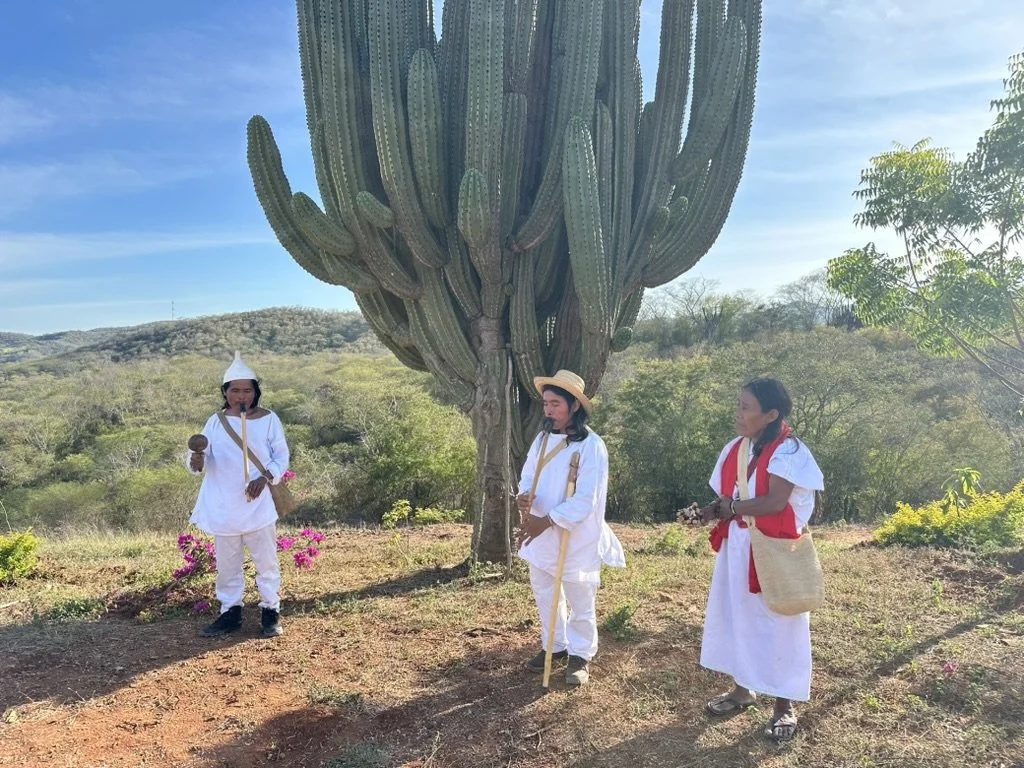
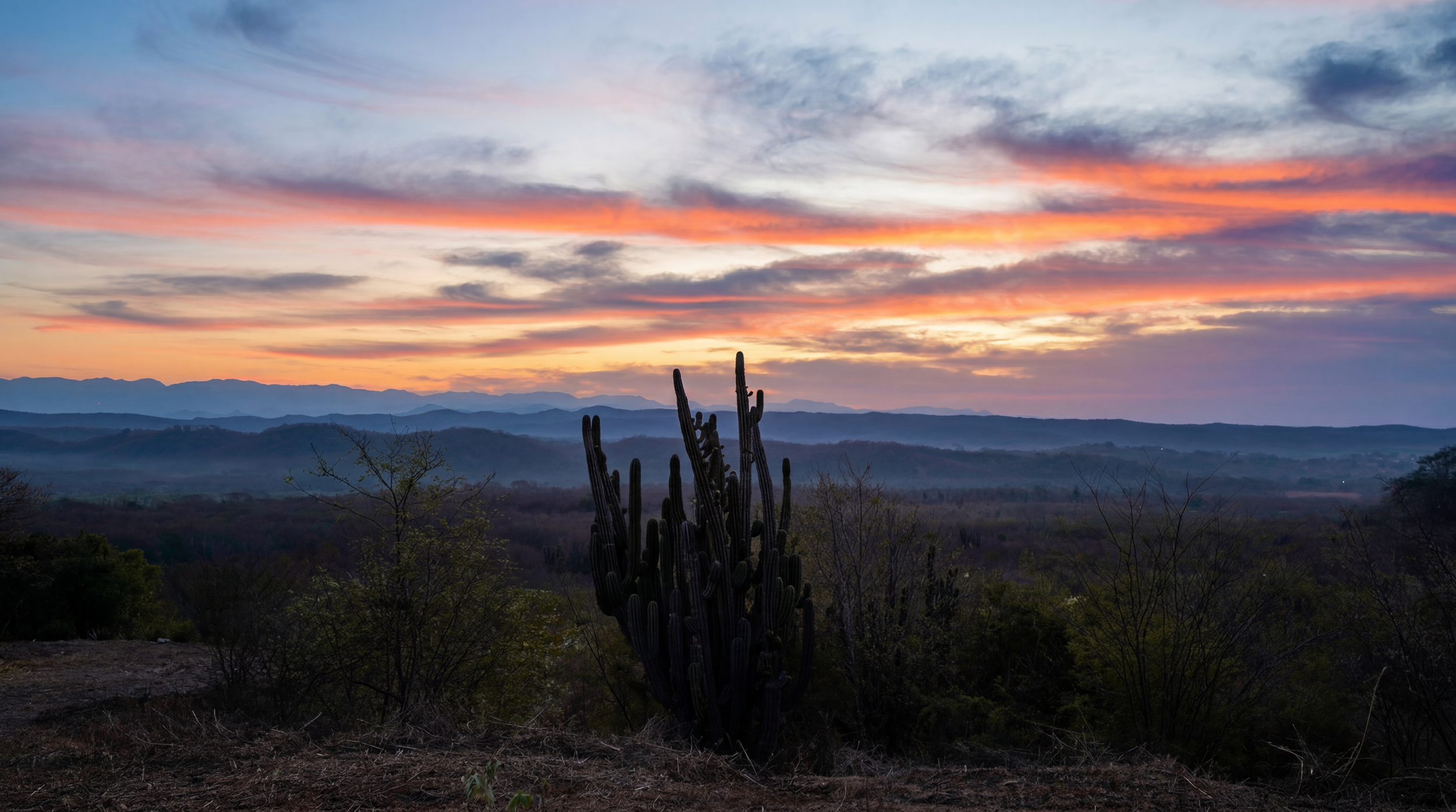
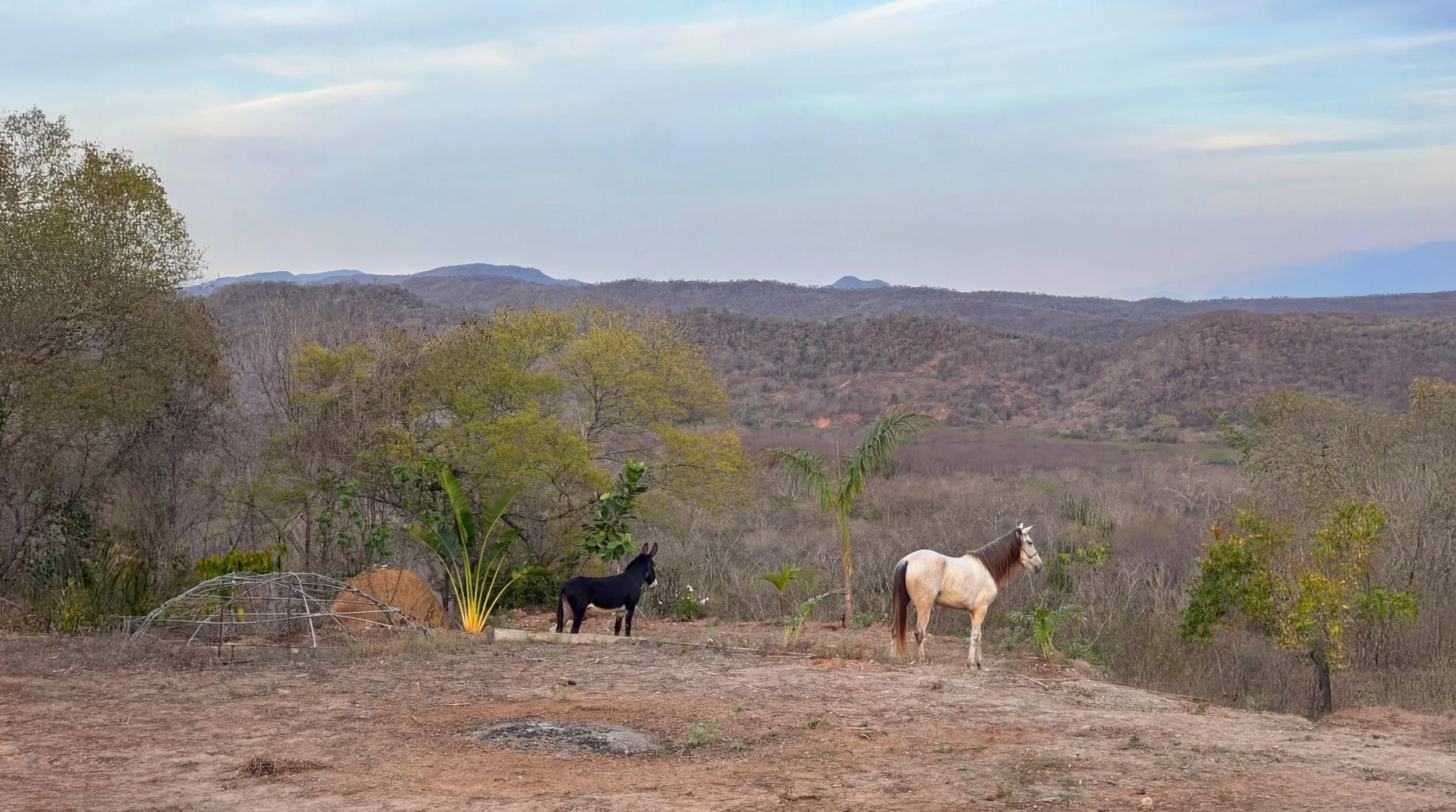
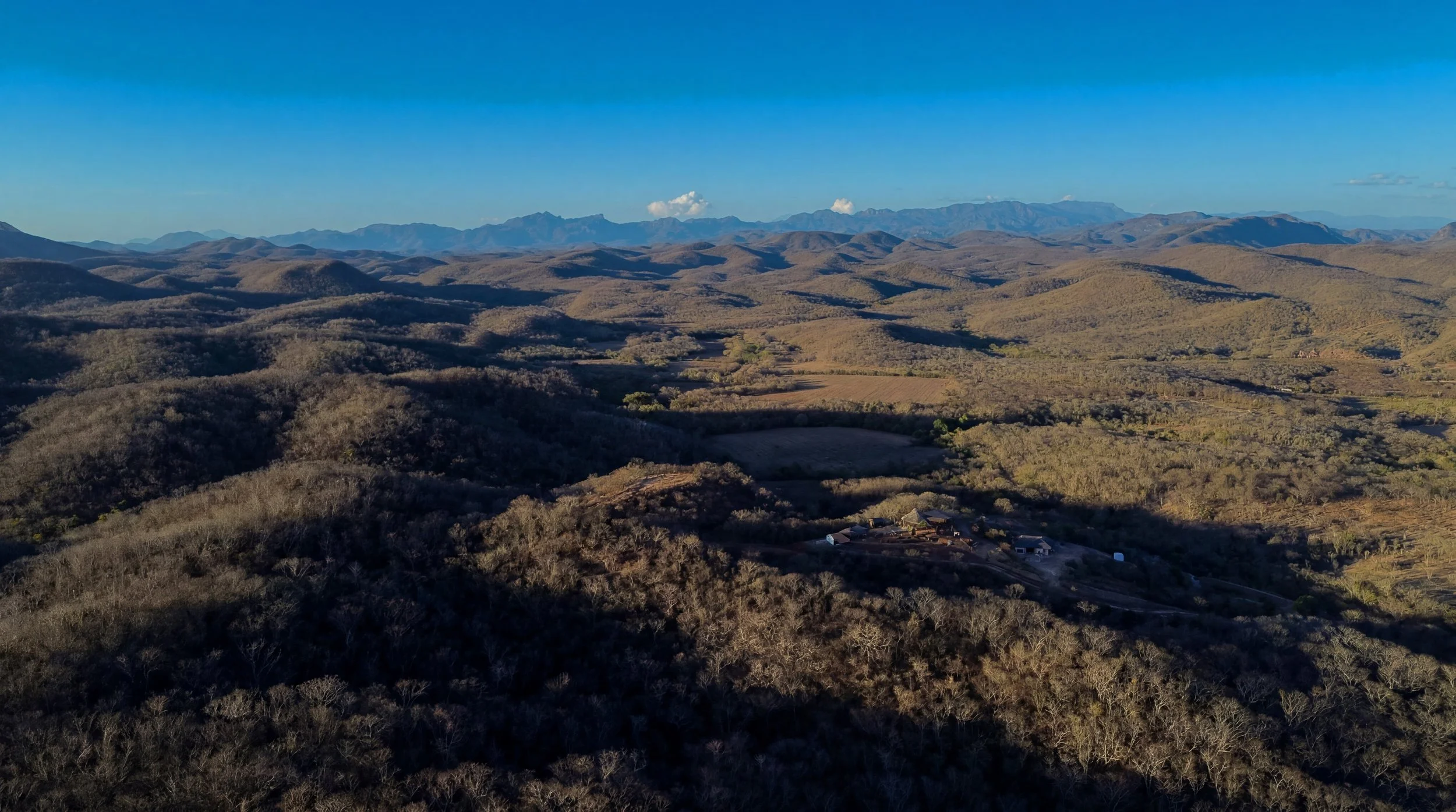
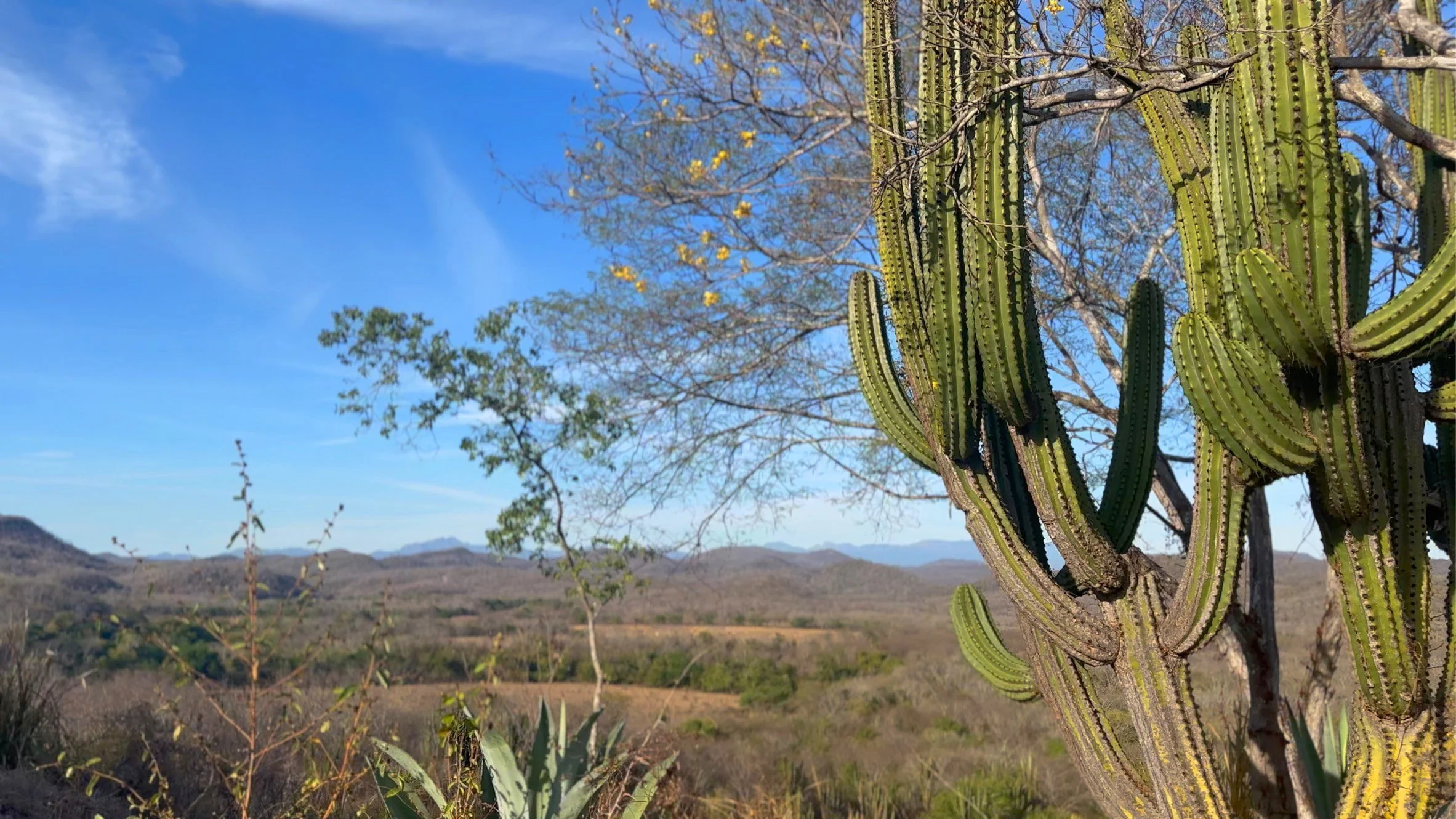
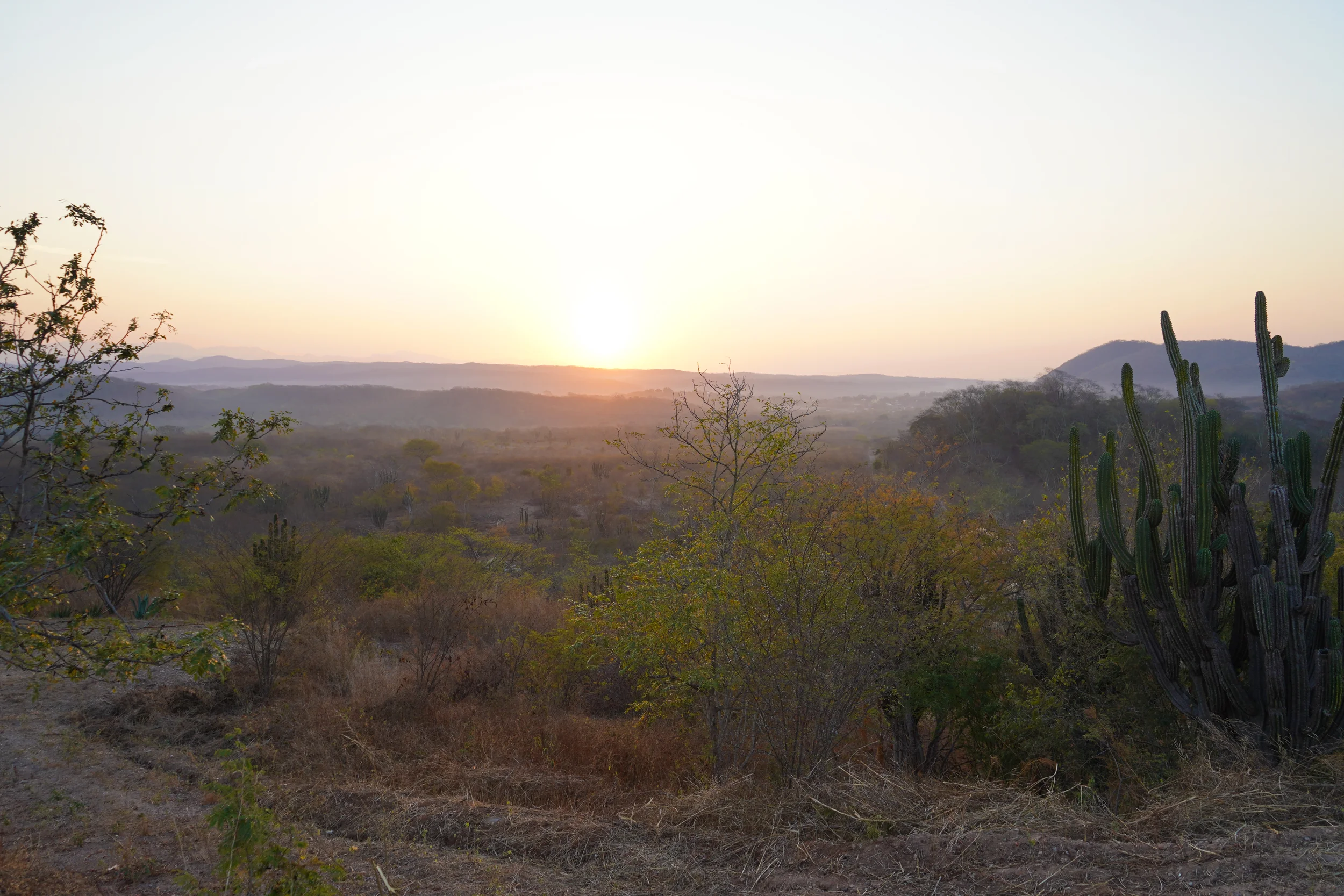
The Huya Aniwa Institute is a community initiative located on the sacred land of La Noria in the municipality of Mazatlán. It is a natural corridor to the rich biodiversity of the Meseta de Cacaxtla Reserve in Northwestern Mexico. This initiative is guided by indigenous wisdom and dedicated to nature conservation and revitalization.
Our Programs
Sustainable Design and Agroforestry
Acquire and steward thousands of acres of land in La Noria for biodiversity regeneration, becoming a model of Indigenous stewardship for the region and beyond.
Watershed Conservation
Treat water with reverence by preserving vital sources and restoring the ecosystems that sustain them.
Repopulate native animal species to support the region’s endangered jaguar, strengthening the broader ecosystem and the more than 500 species it sustains.
Native Species Repopulation
Traditional Seed Bank
Preserve Indigenous heirloom seeds and sovereignty in support of Earth’s biodiversity.
Retreat Center
A space where Indigenous leaders share wisdom on the intrinsic connection between humans and nature, guiding pathways of reciprocity and collective well-being.
Cultural Exchange Practices
A meeting ground for cultural exchange, fostering connections between Indigenous nations and serving as a bridge to the Western world.
Nature School
Educate future Earth stewards by bridging Indigenous knowledge with modern science, nurturing a reciprocal relationship with the living planet.
Protect a vital heritage under threat by cultivating space for sacred plants and their ecosystems to thrive.
Traditional Medicine Conservation
Learn more about our 5-year roadmap in our Impact Report
Donate to help us make the Huya Aniwa Institute possible
Scroll to learn more
Active Project
Sustainable Design & Agroforestry
Acquire and steward thousands of acres of land in La Noria for biodiversity regeneration, becoming a model of Indigenous stewardship for the region and beyond.
-
Inspired by a decade of experience working in partnership with Indigenous grassroots reforestation and agroforestry projects worldwide, the Co-Founders of Huya Aniwa are dedicated to revitalizing La Noria in collaboration with Indigenous leadership local to Mexico and global experts, like Ashaninka leader Benki Piyãko and his team at Yorenka Tasorentsi. For years, Oscar and Vivien have mentored under Benki Piyãko. They both embodied vital roles in helping to build the infrastructure and support the reforestation of land home to Piyãko’s project, the Yorenka Tasorentsi Institute.
-
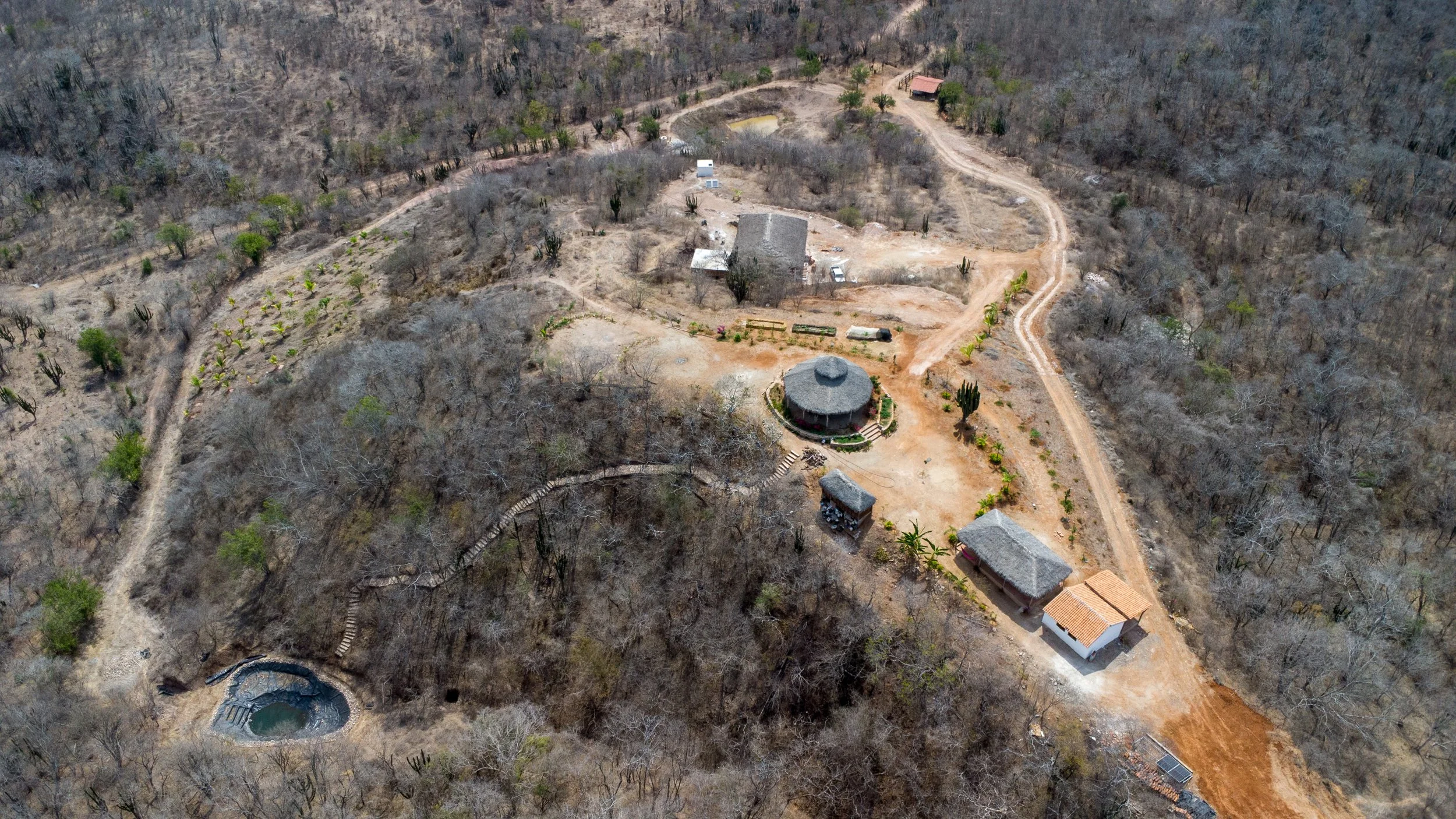
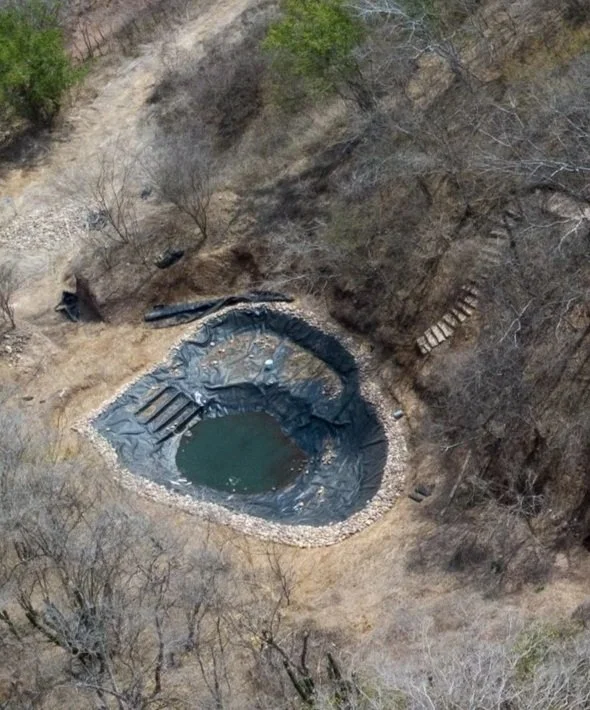
Due to the region’s current climate, Huya Aniwa has focused on rehabilitating and developing sustainable water systems on its land in La Noria. To date, we have dug two wells, created water retention pools to harvest rain and feed the land, and a biopool, an eco-friendly pool for swimming and sustaining wildlife.
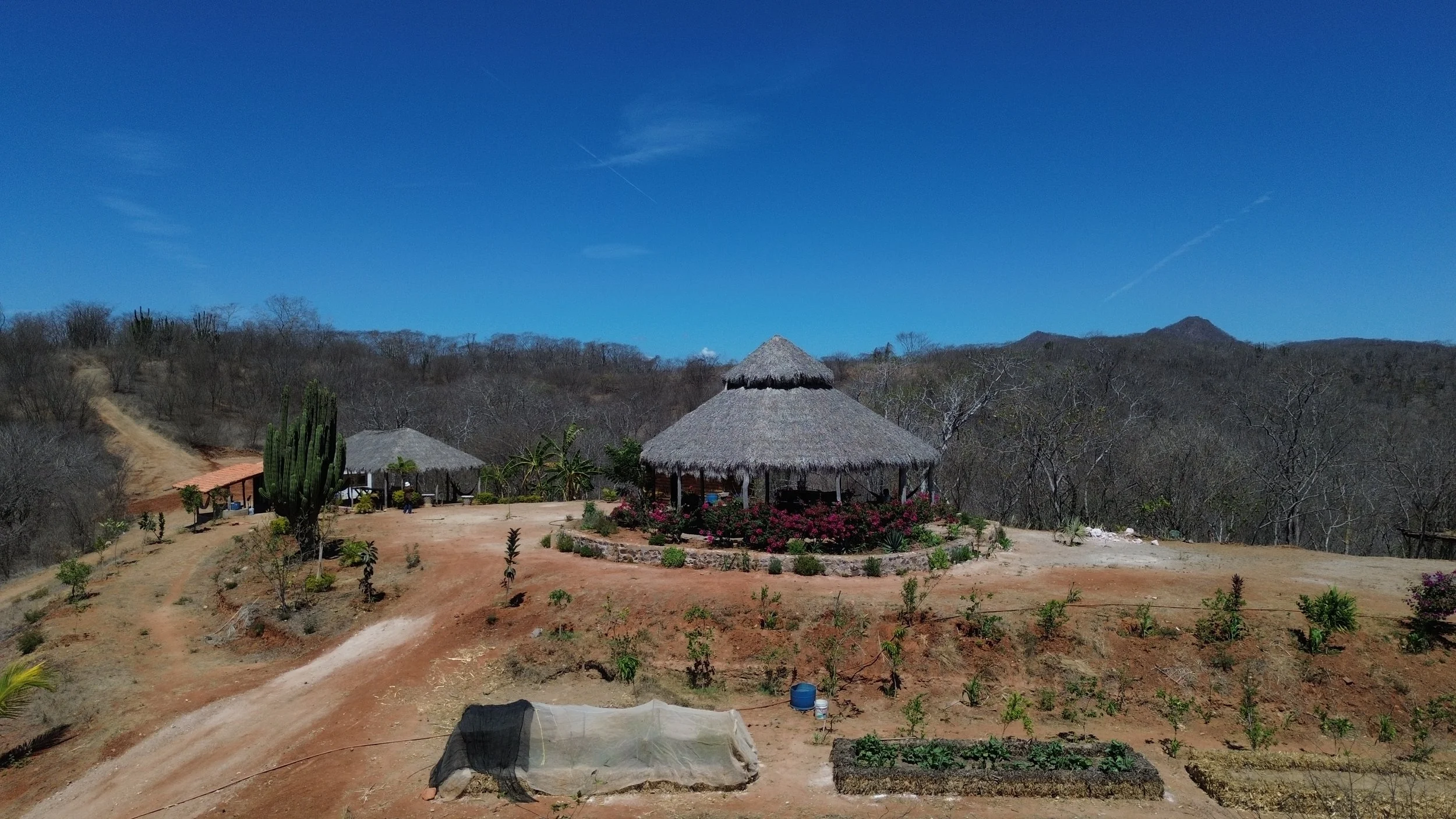
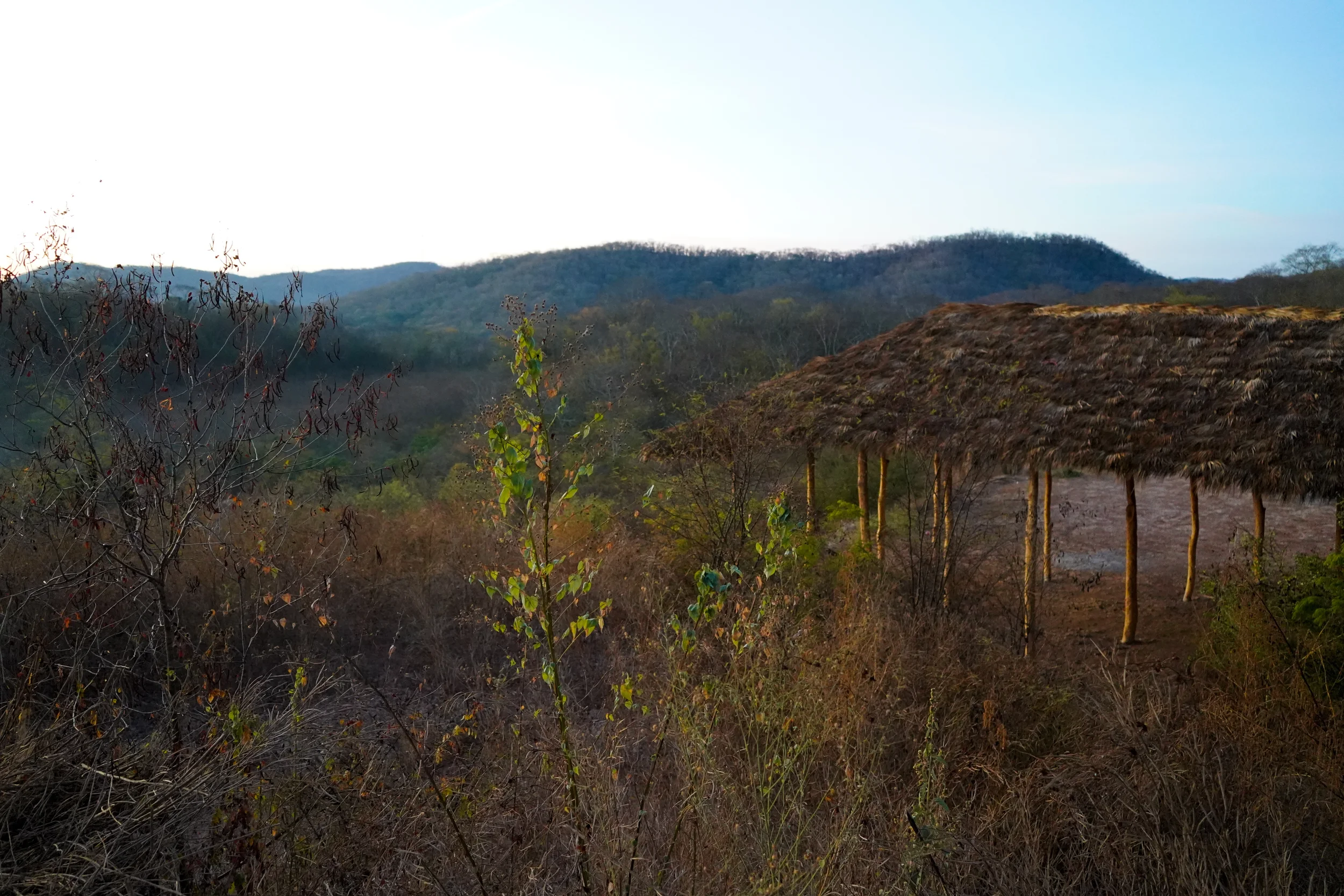
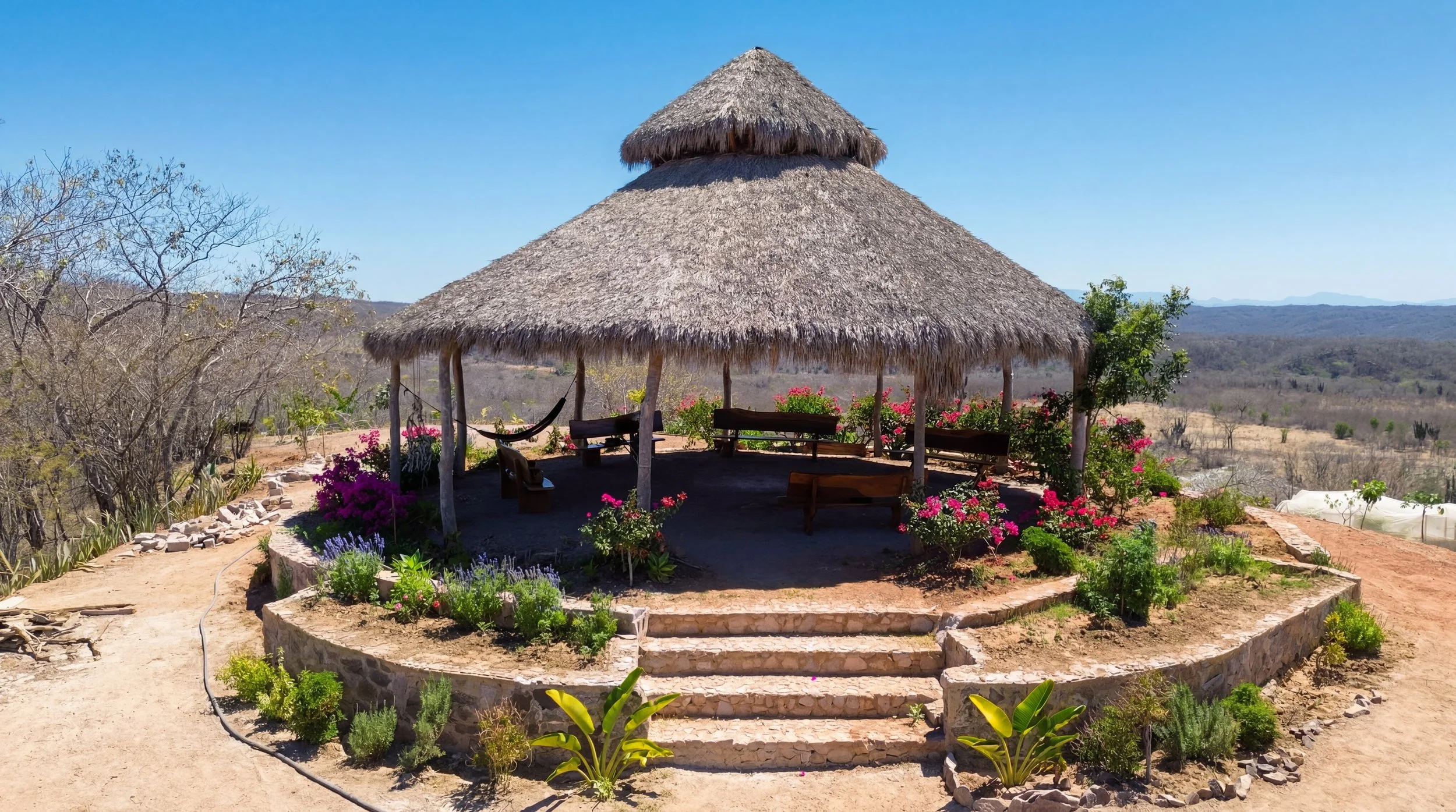
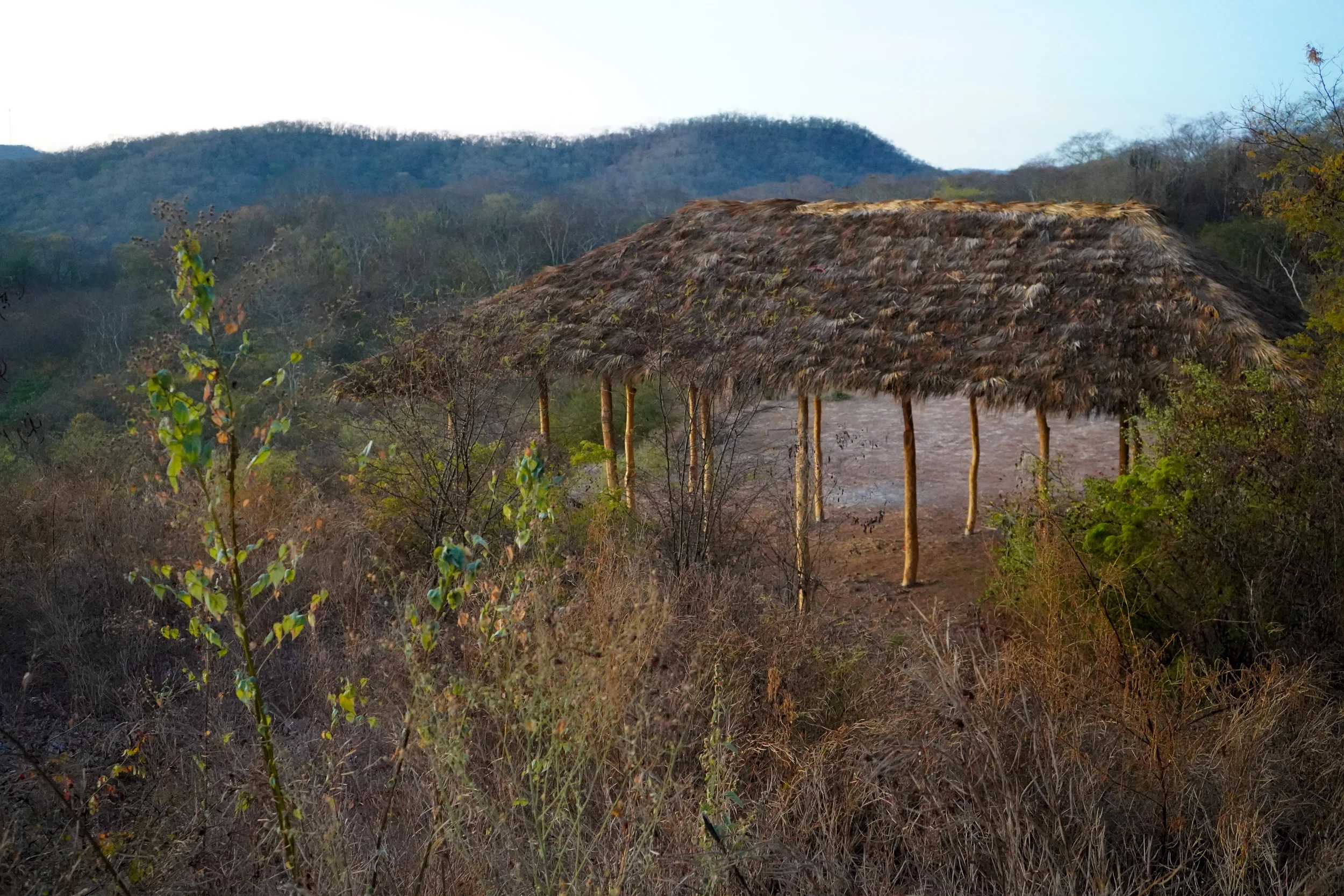
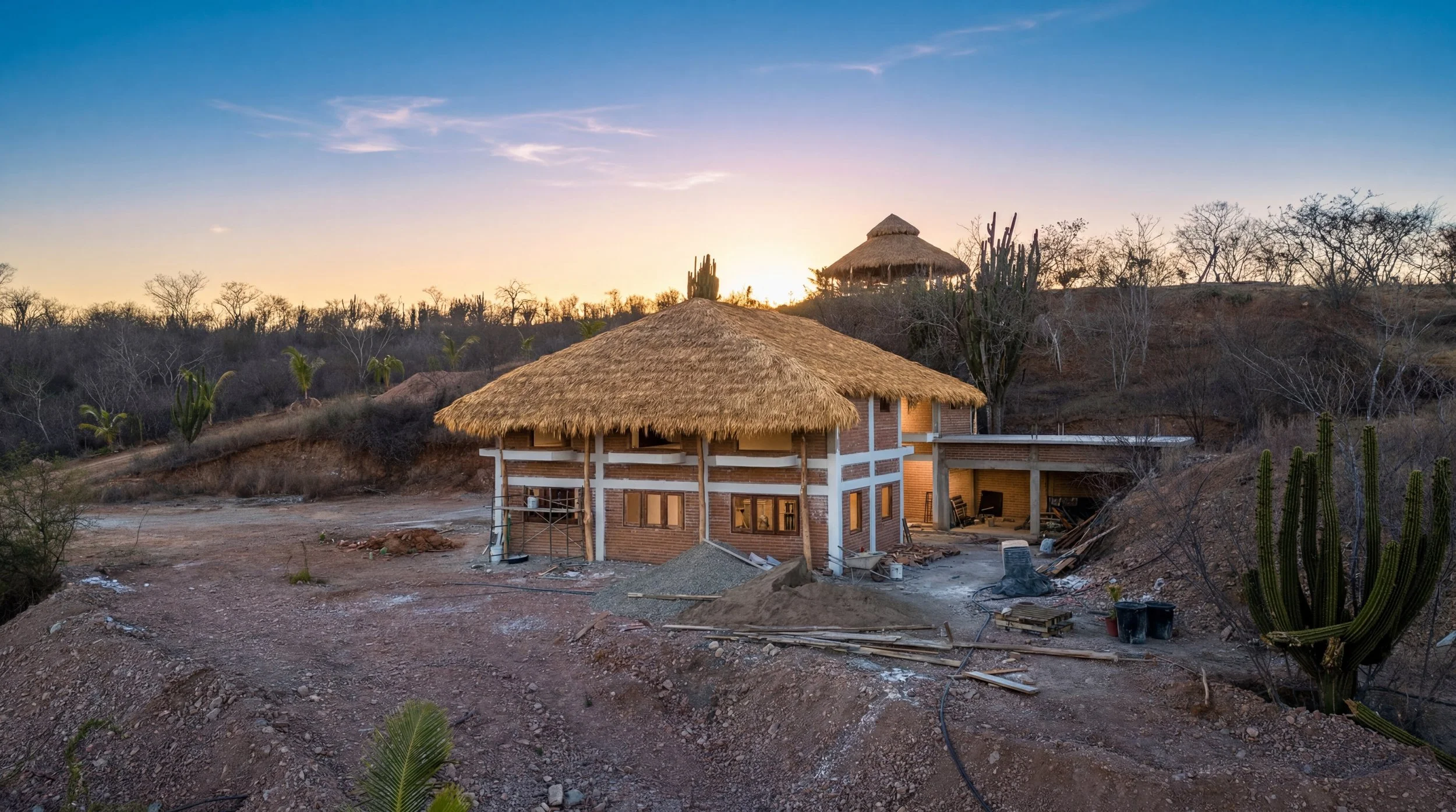
Huya Aniwa’s building infrastructure is inspired by Indigenous design. It utilizes locally sourced recycled wood, palm, a local bamboo called “otaté,” and adobe. All the materials used are eco-friendly. Our infrastructure design also includes a water-capturing system to feed greywater to our plants with sustainable waste configurations.
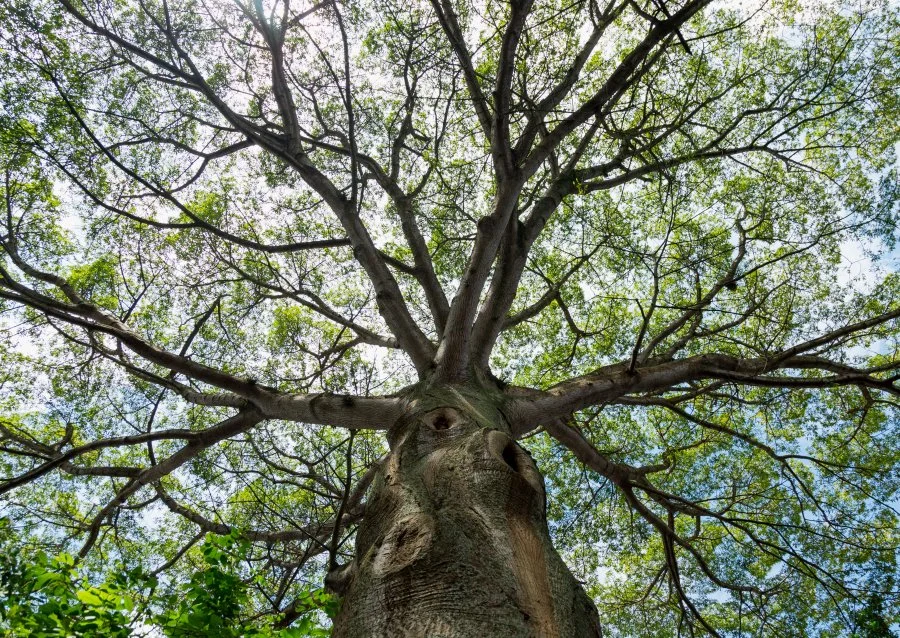
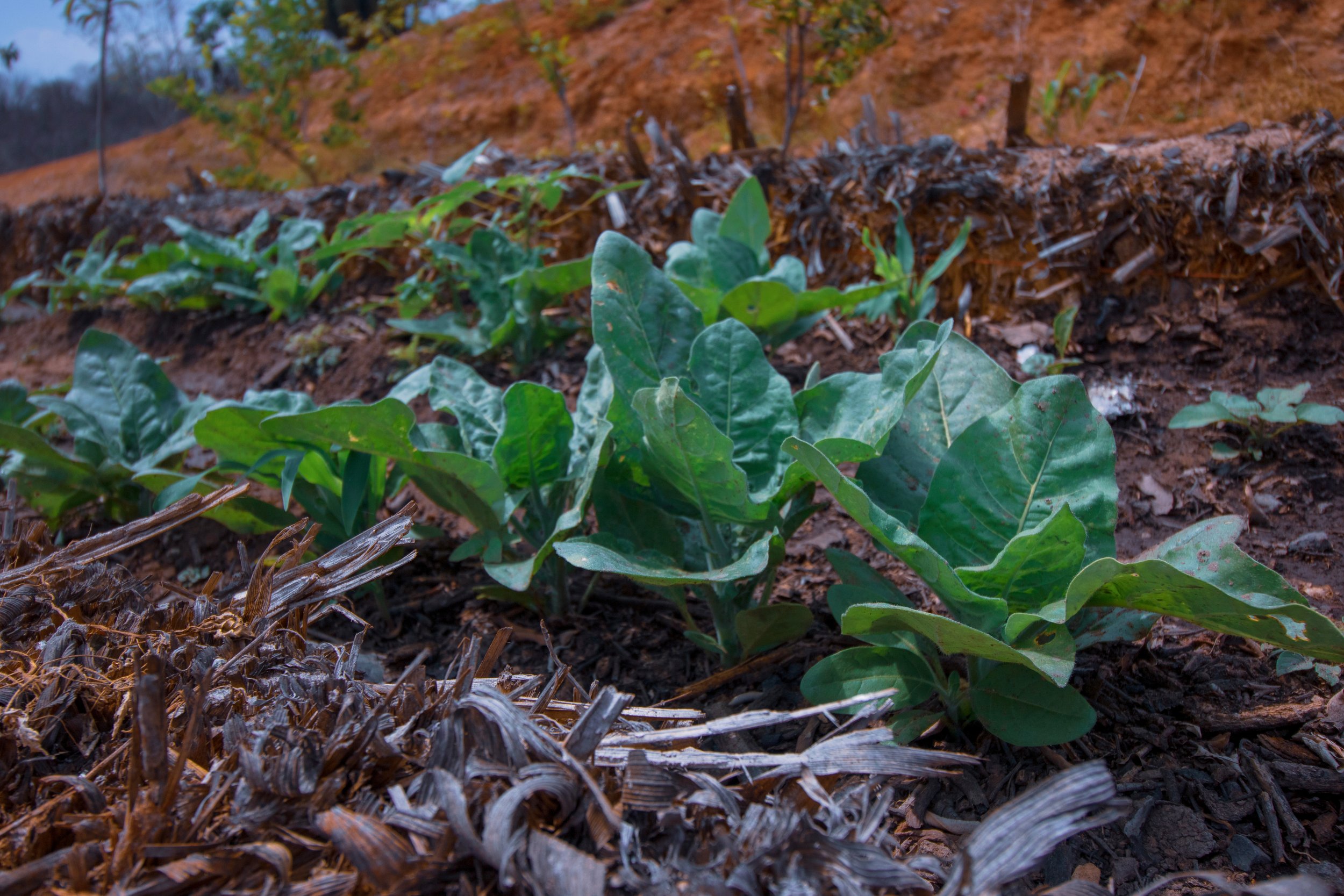
Indigenous reforestation is a highly developed technology practiced over millennia that guarantees a continuous, harmonious relationship between all living species and their environments. For example, Huya Aniwa has planted hundreds of fruit trees to make natural medicines, feed the people, and support the ecosystem around these trees, including insects and animals.
-
To support specific programs, you may contribute to our active campaign or contact us on info@huyaaniwa.org to discuss restricted or designated giving.
Active Project
Native Species Repopulation
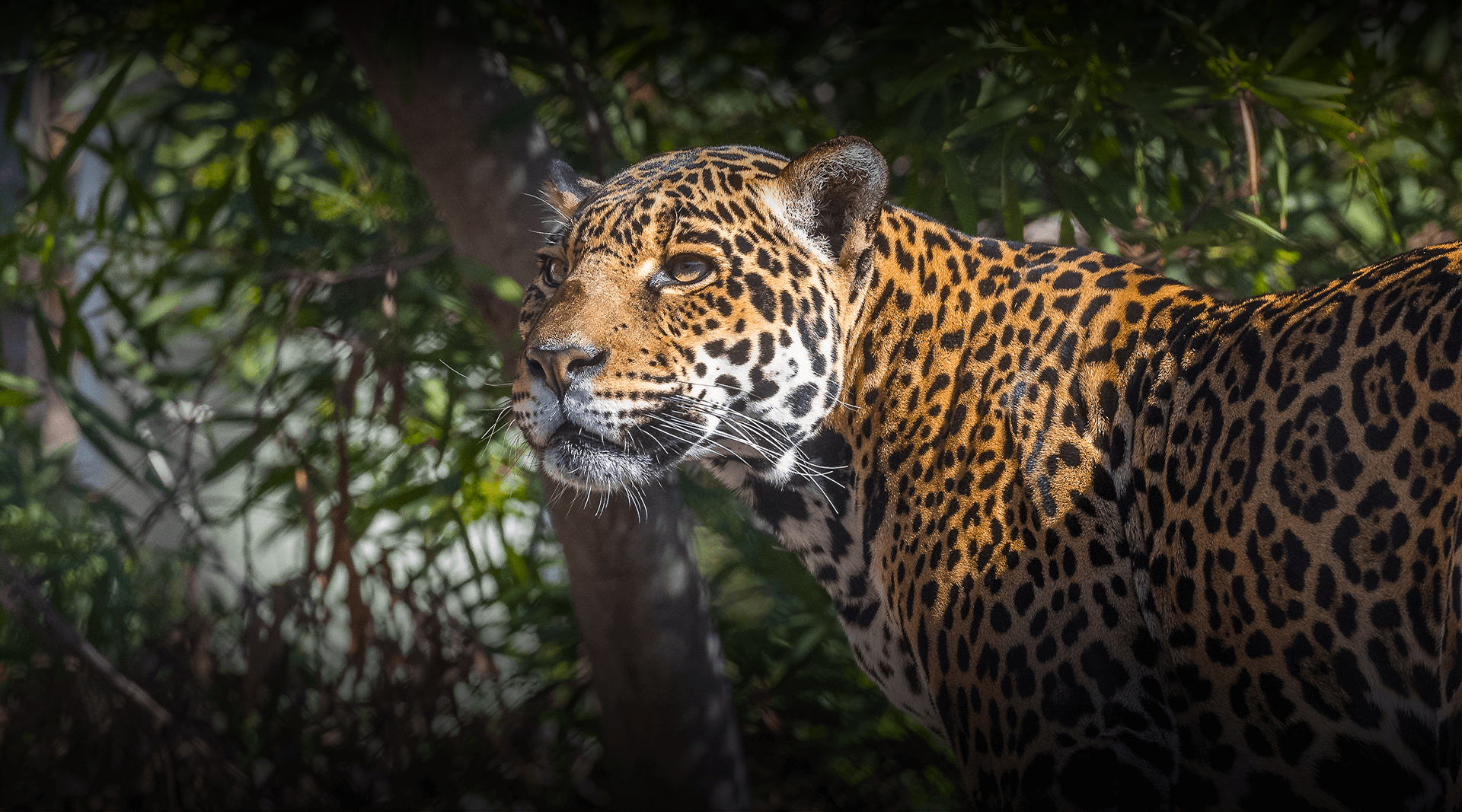
Repopulate native animal species to support the region’s endangered jaguar, strengthening the broader ecosystem and the more than 500 species it sustains.
-
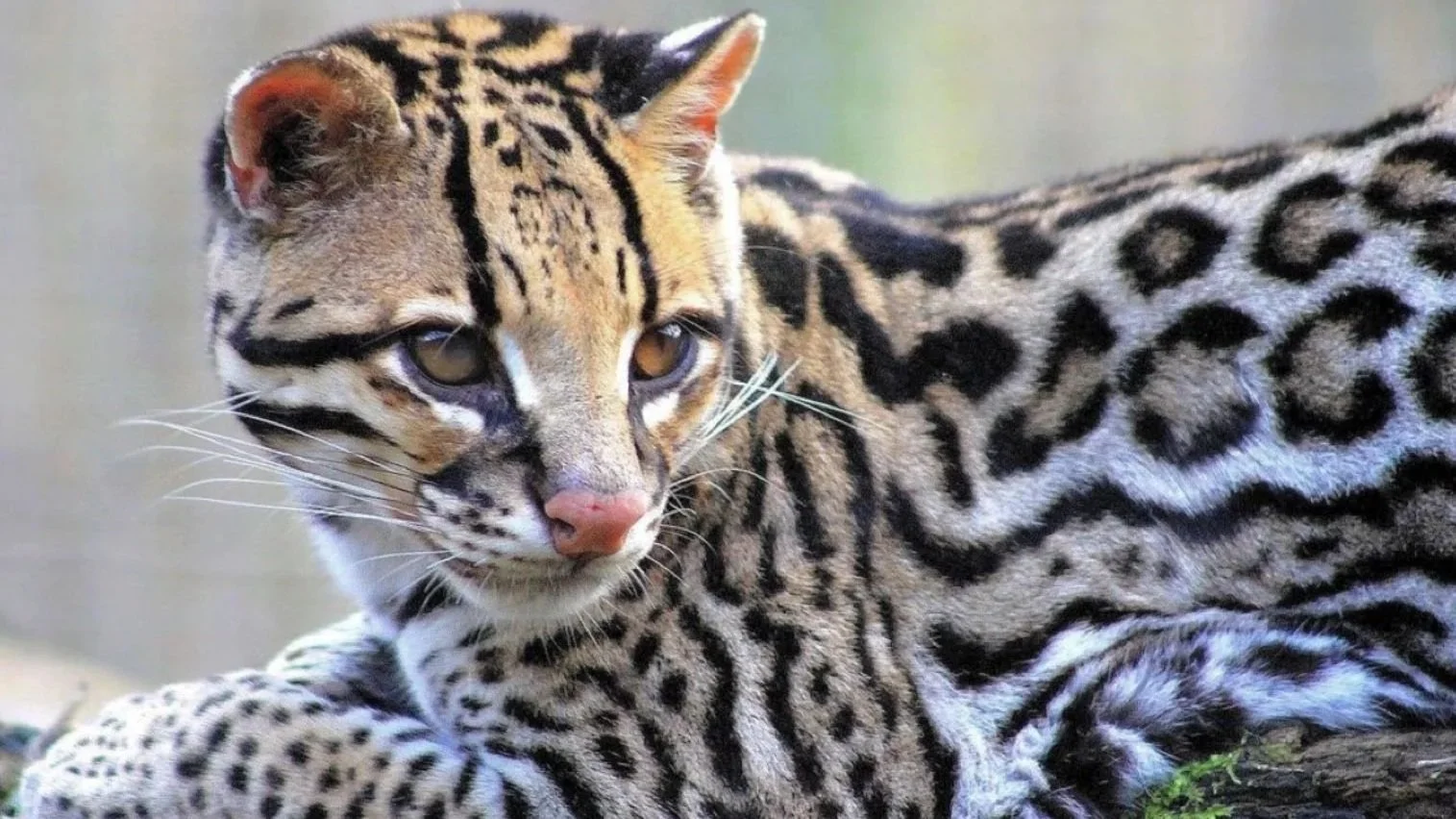
Huya Aniwa’s initiatives are designed to work together and are aligned with the relational principles of Indigenous knowledge to support animal species repopulation in the La Noria region. For example, this region is critical for safeguarding natural water sources to keep alive and healthy the habitats of six wild cats, including endangered jaguars, pumas, lynx, and ocelots, and hundreds of species of birds, mammals, and reptiles.
Regional species regeneration would include launching a deer breeding program. Deer are sacred animals for all Indigenous cultures in the region and are one of the main food sources for jaguars.
Throughout time, Indigenous peoples significantly improved their ecosystems through cultural practices linked to their subsistence, guaranteeing that animals would thrive in their natural environment. They also minimized hunting in areas where certain species of animals were underrepresented.
-
Indigenous methods preserve animal species in sacred regions where they do not plant, hunt, or gather, respecting the species living there as part of that sacred realm. In ecological terms, this practice is tantamount to creating refuges for animal species and repopulation. Indigenous peoples are familiar with the knowledge that animals perform a significant role in maintaining the balance of the ecosystem through their foraging and spreading seeds away from parent trees or plants. They associate a healthy natural environment with a harmonious relationship with the spiritual world. Animals are understood as the prime messengers and mediators between the spirit world and the realm of the living.
-
To support specific programs, you may contribute to our active campaign or contact us on info@huyaaniwa.org to discuss restricted or designated giving.
Active Project
Cultural Exchange
A meeting ground for cultural exchange, fostering connections between Indigenous nations and serving as a bridge to the Western world.
-
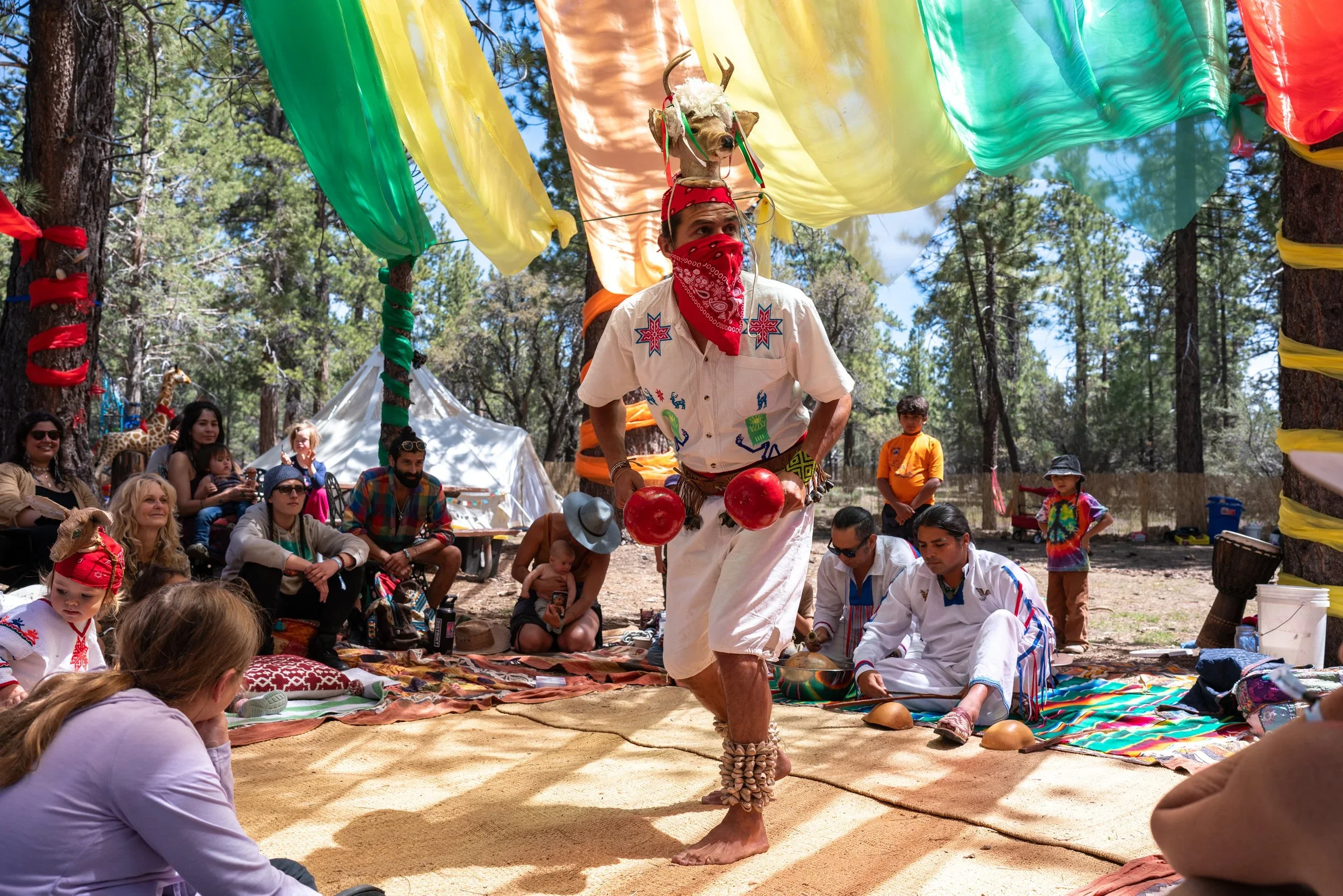
Exchange is at the heart of Indigenous cultures. For Indigenous peoples, all spheres of life are unified by relationships of exchange: whether in the exchanges of people and nature, in social life, or in the unique relationships one holds with the spiritual world, one cannot take without giving.
Throughout the years of hosting our annual Aniwa Gathering, most of the Indigenous elders who have attended expressed that it was their biggest dream to meet other Indigenous peoples from around the world and learn from their cultures, often finding similarities with each others’ stories. Huya Aniwa’s objective is not only to cultivate experiences for Westerners to learn from and support Indigenous collectives but, most especially, to create opportunities for Indigenous peoples from across Mexico and worldwide to come together for cultural exchange, reclamation, and healing.
-
Huya Aniwa aims to co-create spaces for Indigenous peoples who have lost their culture's traditional ways and spirituality to learn from Indigenous collectives who have retained theirs. This includes education on how to plant sacred crops, giving them seeds to take home, and much more.
In this modern age, it is crucial that Indigenous collectives are given the space and opportunities to collaborate and mutually support one another's survivance.
Historically, exchange relationships were the basis of the first federations conceived by Indigenous peoples. Intertribal rituals were important in marking events such as the forgoing of violence. Still, they also serve as an array of exchange practices that drive each community closer to one another. Cultural exchange opens the opportunity to set principles for a collaborative, compassionate, loving, and tender philosophy of thriving in relationships to one another and our shared world.
-
To support specific programs, you may contribute to our active campaign or contact us on info@huyaaniwa.org to discuss restricted or designated giving.
Active Project
Nature School
Educate future Earth stewards by bridging Indigenous knowledge with modern science, nurturing a reciprocal relationship with the living planet.
-
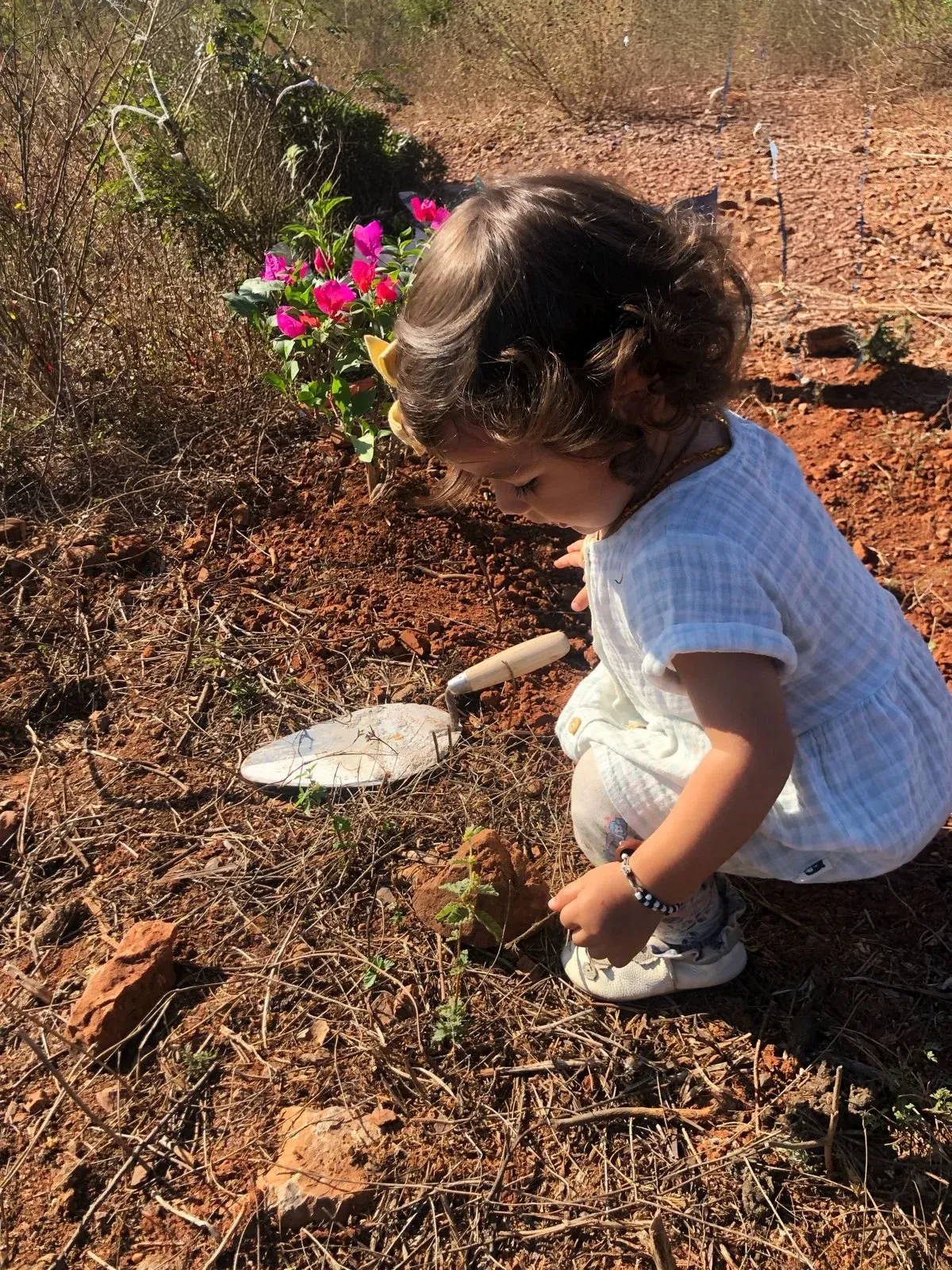
Teaching sustainable land-management techniques through an embodied relationship to one’s environment is fundamental to co-create an environmentally viable and regenerative future. Huya Aniwa’s nature school will serve as a "natural laboratory" for Indigenous peoples to impart practical knowledge of creating sustainable relationships with the land and all living species in one's environment. Through a participatory education methodology, under the auspices of Indigenous knowledge, we will introduce traditional land management techniques to guarantee biodiversity. We will also combine modern technology that enhances such land stewardship techniques, making the programs and courses of our Nature School a benefit for the Indigenous collectives we have partnered with as well.
-
Additionally, Huya Aniwa aims to develop a Waldorf-inspired program for youth to empower them by participating in the programs taught at our nature school. Indigenous students attending our school may also have the unique experience of learning from their own people in addition to invited specialists who will educate them on new advances in scientific knowledge applied to sustainable land stewardship.
-
To support specific programs, you may contribute to our active campaign or contact us on info@huyaaniwa.org to discuss restricted or designated giving.
Active Project
Traditional Seed Bank
Preserve Indigenous heirloom seeds and sovereignty in support of Earth’s biodiversity.
-
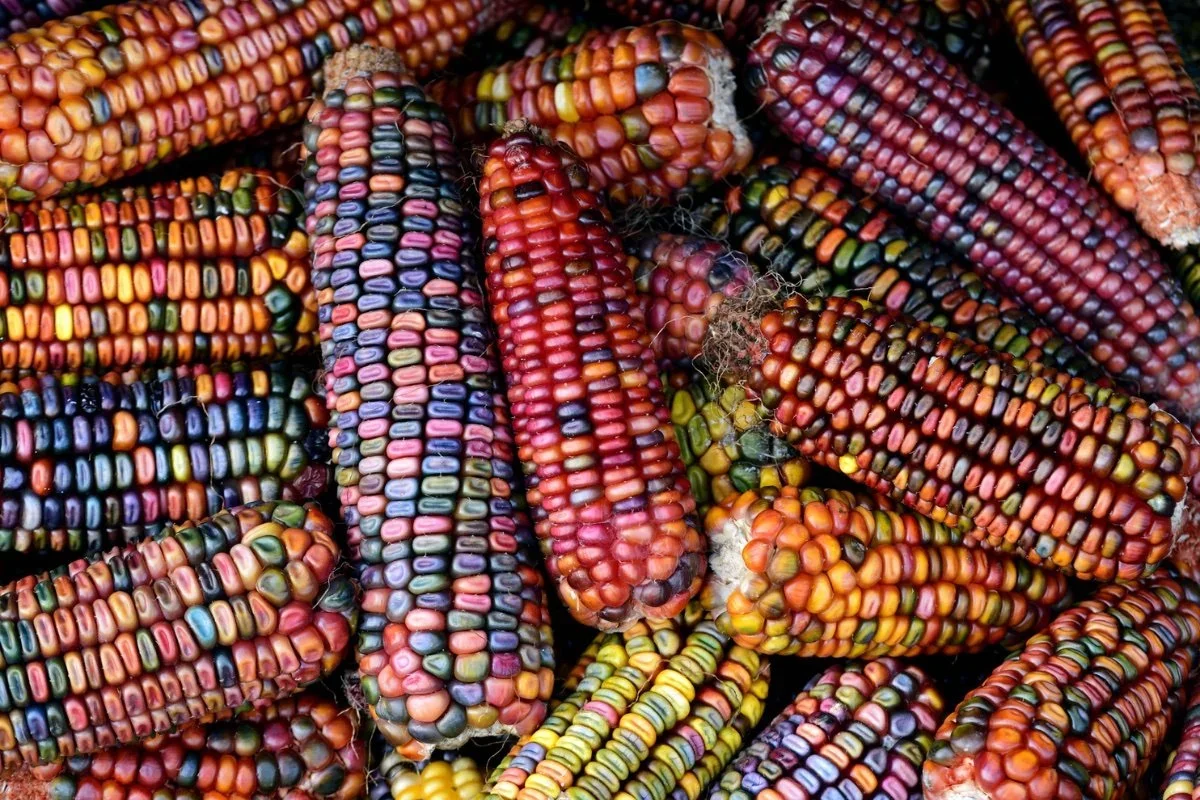
Biodiversity begins with the seeds. The last generations have seen the most significant biodiversity loss in humankind's history. People today are no longer acquainted with the hundreds or even thousands of varieties of edible plants our great-grandparents were once familiar with, and many Indigenous cultures are the guardians of today as part of their tradition.
Heritage seeds are treasures lying deep within Indigenous collectives, often in the caring hands of women or dedicated gardeners who relish passing on such diversity and quality from time immemorial. The main reason for the loss of such richness is the poverty engendered by Western culture’s appropriation of the Earth’s resources. Cash crops require a standardization of quality, color, and kind. As a result of this standardization, industrialized grains and foods have undergone an excruciating selection, hybridization, or even genetic manipulation at the seed level.
Indigenous cultures have safeguarded a great variety of heirloom seeds from each crop they grow in their gardens. They have equally aided in the spread of seed varieties in nature with the caretaking practices they steward in the ecosystems they inhabit. As part of their heritage, Indigenous peoples have maintained important seed banks. Establishing seed banks to preserve Indigenous heritage and sovereignty is perhaps one of today's most critical actions to save the Earth’s biodiversity.
-
Huya Aniwa has started a seed bank through our collaborative relationships with grassroots Indigenous projects worldwide. In addition to native trees and sacred plants from Mexico, plants from Peru, the Amazon rainforest, and beyond grow on our land. We aim to continue adding to and feeding our heirloom seed bank to spread these seeds across other communities and feed the region.
-
To support specific programs, you may contribute to our active campaign or contact us on info@huyaaniwa.org to discuss restricted or designated giving.
Active Project
Watershed Conservation
Treat water with reverence by preserving vital sources and restoring the ecosystems that sustain them.
-
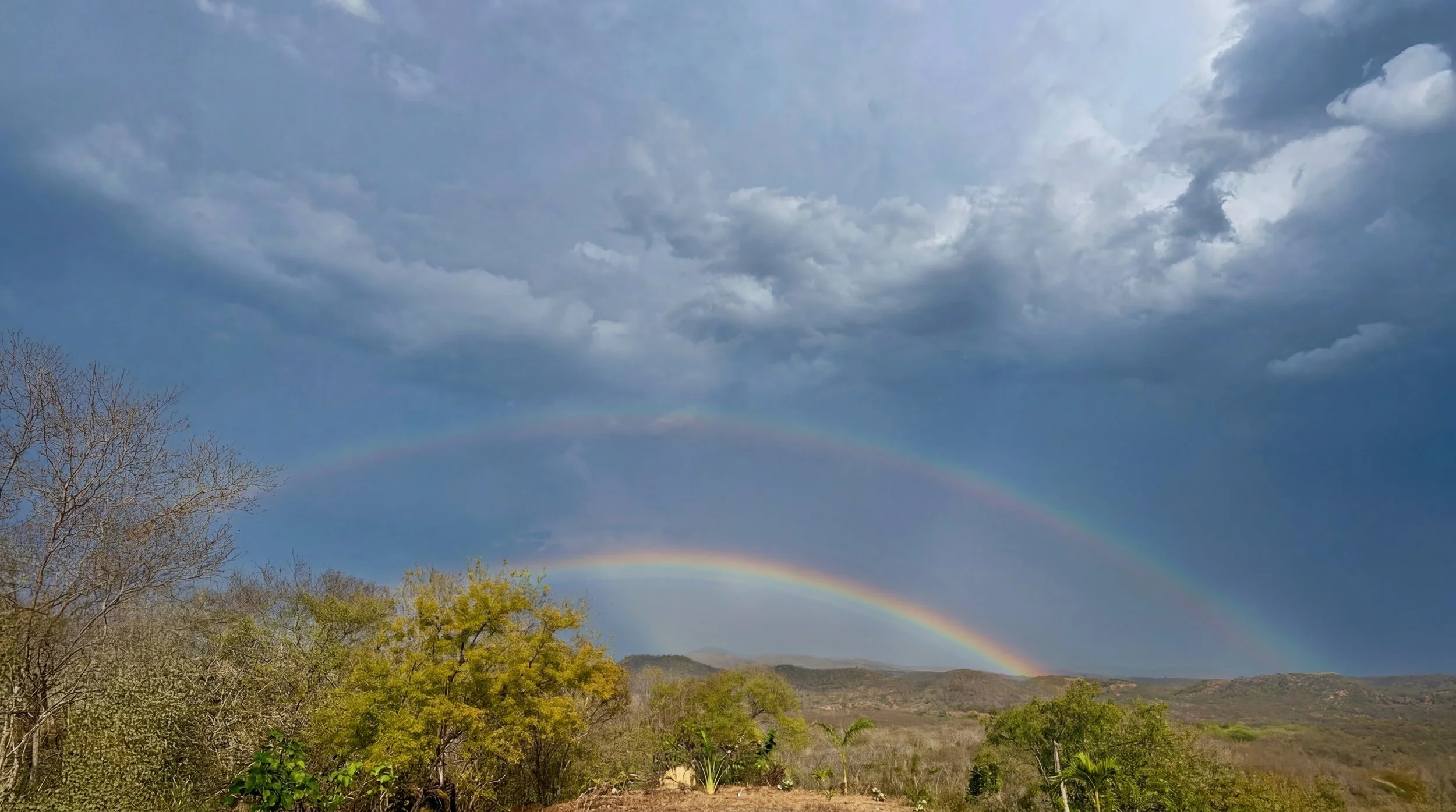
Water is the source of all life on Earth. Its conservation is, therefore, the preservation of life itself. Indigenous peoples have always cultivated water and understood water sources as sacred, preserving them through a history of engineering entire civilizations in balance with their environment despite natural water scarcity.
With the support of Indigenous collectives that have safeguarded water sources for generations, one of Huya Aniwa’s most vital initiatives is preserving water sources and rehabilitating the ecosystems that feed them through sustainable land stewardship. Currently, the Huya Aniwa Institute has rainwater harvesting systems to collect seasonal rainfall, which only visits the region from July through September.
Sustainable land stewardship focusing on water conservation and aquatic ecosystem regeneration helps preserve underground waterways modern development destroys.
Mazatlán is the fastest-growing city in Mexico. The second largest port in the country is currently being built there, and development is exponentially increasing to accommodate conventional tourism. Resorts, strips of restaurants, shops, and residential buildings are being constructed, encroaching on the neighboring biodiversity of La Noria.
-
Similar to the compounding socio-ecological issues facing Tulum, increased tourism and the influx of development in Sinaloa are anticipated to have a growing environmental impact in the region. To mitigate this impact, Huya Aniwa is seeking investment to purchase acres of neighboring land, which include vital natural water sources, like a freshwater spring. Reforestation of this land will nourish the soil to support the water systems that contribute to the welfare of 500 animal species living in this region and ensure that they always have safe drinking water.
-
To support specific programs, you may contribute to our active campaign or contact us on info@huyaaniwa.org to discuss restricted or designated giving.
Active Project
Retreat Center
A space where Indigenous leaders share wisdom on the intrinsic connection between humans and nature, guiding pathways of reciprocity and collective well-being.
-
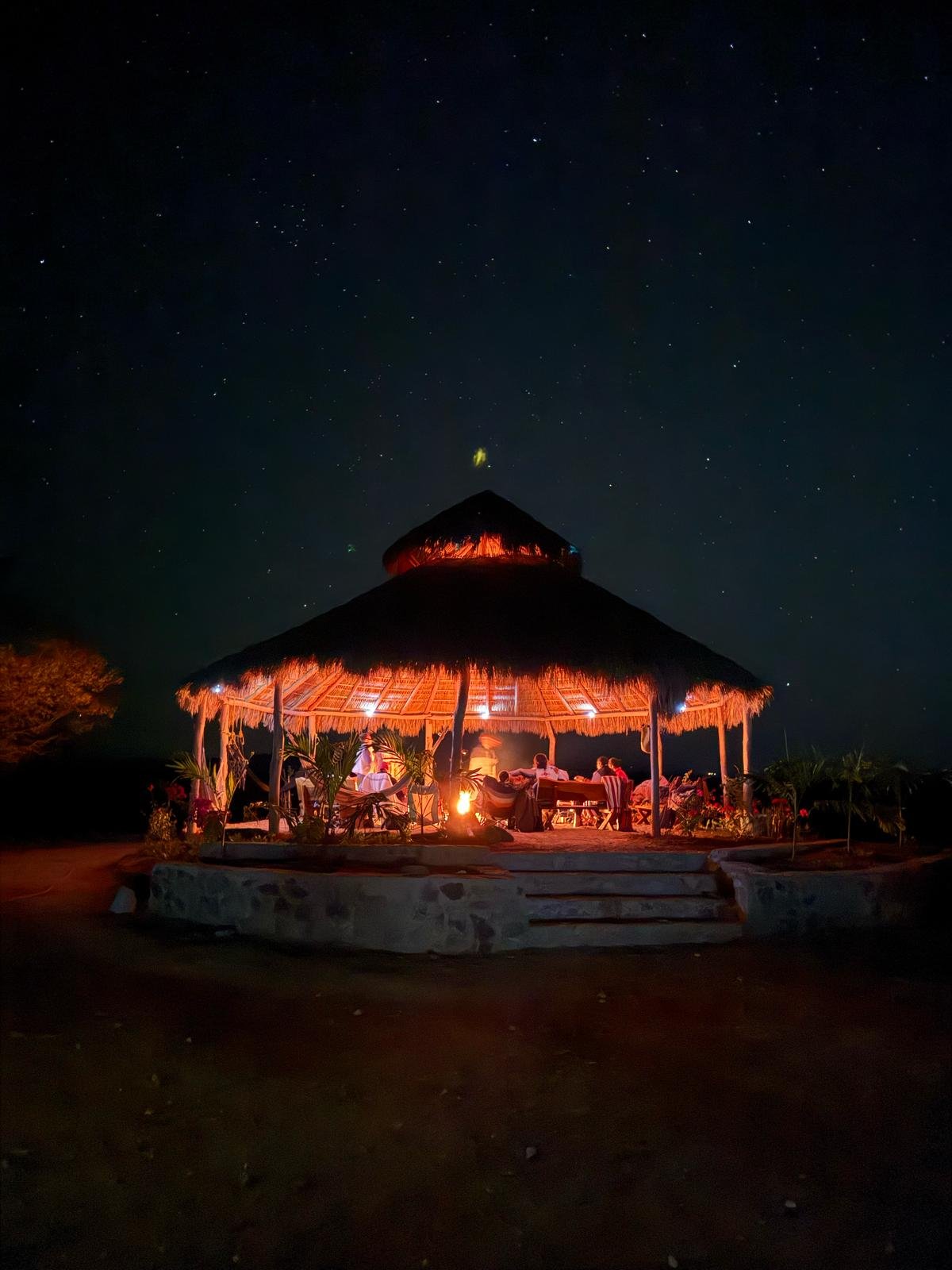
The Huya Aniwa Retreat Center is a sanctuary for healing, learning, and connection, rooted in Indigenous wisdom and the natural beauty of La Noria. Situated on the edge of the Meseta de Cacaxtla Reserve, this sacred space offers visitors the opportunity to immerse themselves in the teachings of Indigenous elders while surrounded by the vibrant biodiversity of Northwestern Mexico.
Our retreat center is designed to host Indigenous leaders from around the world, creating a space for cultural exchange, deep healing, and communal learning. Guests will engage in ceremonies, workshops, and teachings led by Indigenous elders who bring generations of wisdom to guide personal and collective transformation. From traditional medicine ceremonies to hands-on workshops in sustainable land stewardship, visitors will leave with tools and insights to live in greater harmony with themselves and the Earth.
The retreat center's design reflects our commitment to sustainability and reverence for the land. Built with eco-friendly materials such as locally sourced wood, adobe, and bamboo, the infrastructure is a testament to Indigenous ingenuity and modern sustainable practices. -
At its heart, the Huya Aniwa Retreat Center is more than a destination—it is a movement. It is a space to cultivate relationships, learn ancestral practices, and build a future where humanity thrives in reciprocity with nature.
Located only a two-hour flight from Los Angeles, the Huya Aniwa Retreat Center will serve as a central hub for profound, extended retreats designed to deepen studies with Indigenous elders worldwide.
Some of these extended dietas will include offerings from:
Benki Piyãko and the Yorenka Tasorentsi family (Ashaninka - Brazil)
Maraka’ame Casiano de la Cruz and wife Maraka’ame Wiwiama (Wixárika - Mexico)
Mamo Rodrigo and family (Arhuaco, Kogi, Wiwa - Colombia)
Tata Mario and wife Nana Amalia and Maya family (Maya - Guatemala)
Inka Ttito and wife Mama Quori and Inka family (Inka - Peru)
Participants will have the unique opportunity to participate in weekend and up to month-long dietas, immersive experiences that integrate traditional teachings, plant medicine ceremonies, tree planting, and sacred practices to foster deep spiritual growth and healing. These extended stays allow individuals to cultivate a reciprocal relationship with nature and the wisdom of the elders, offering transformative insights and personal breakthroughs that unfold over time.
-
To support specific programs, you may contribute to our active campaign or contact us on info@huyaaniwa.org to discuss restricted or designated giving.
Active Project
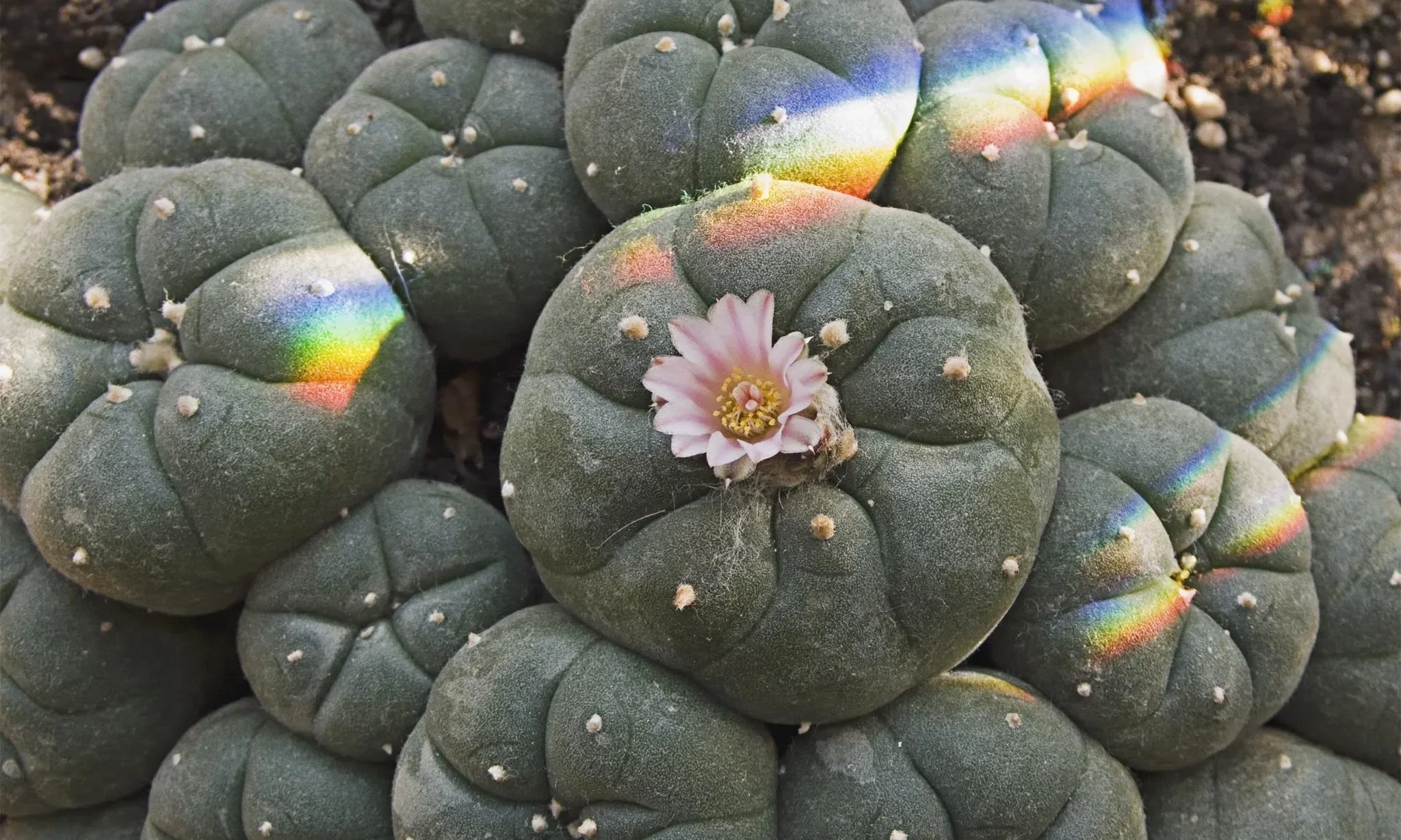
Traditional Medicine Conservation
Protect a vital heritage under threat by cultivating space for sacred plants and their ecosystems to thrive.
-
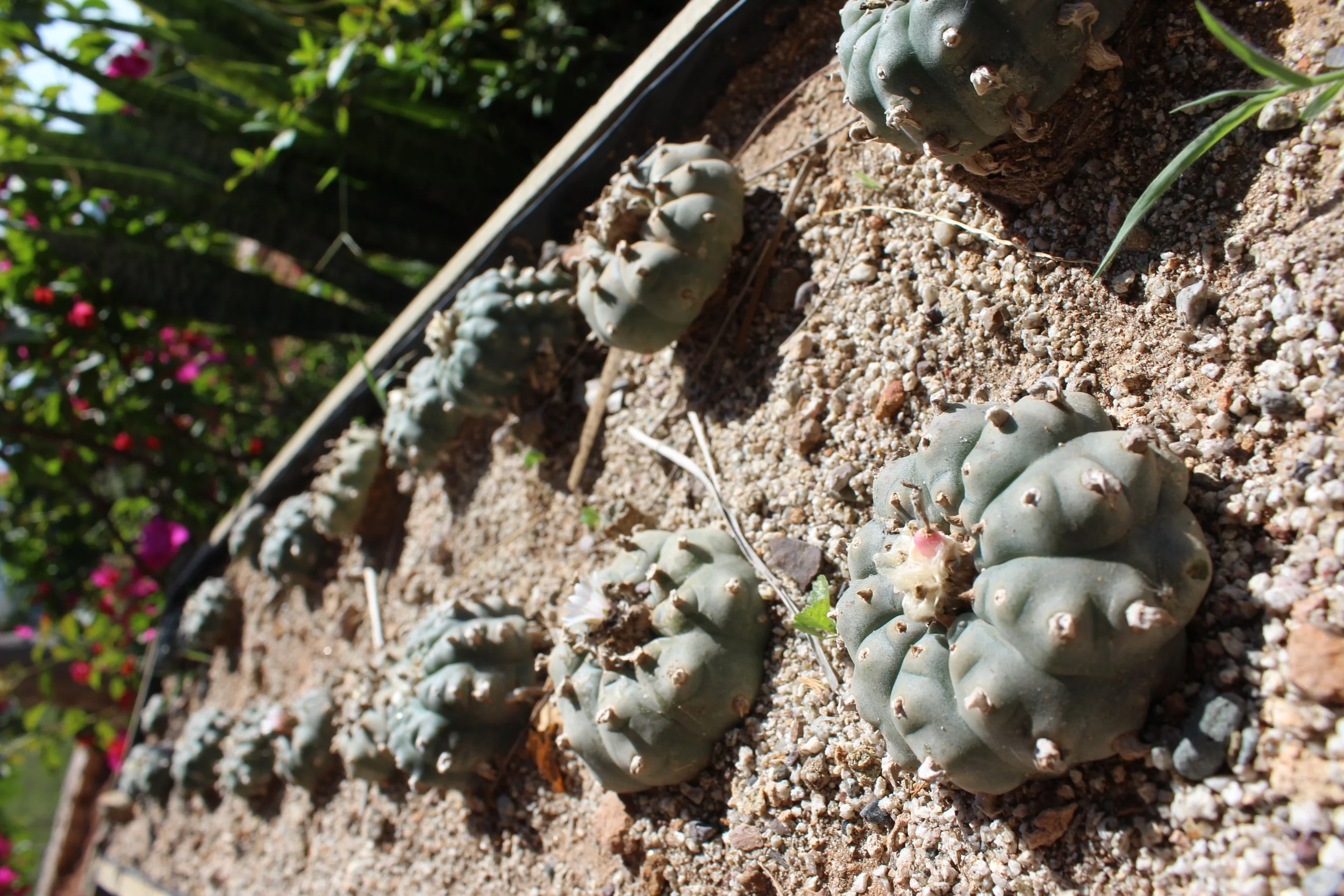
Indigenous medicine is a heritage that needs conservation. In Mexico, the survival of indigenous medicine grown wild on sacred, native land is constantly threatened by mining and political interests that remove these plants and destroy their life-sustaining ecosystems to plant mono-crops for domestic and foreign markets. Huya Aniwa’s medicine conservation project aims to cultivate an open space for these culturally significant plant species to flourish.
Additionally, we will educate the next generation on proper harvesting techniques, seed reproduction methods, and various ways to propagate master plants. This will emphasize the importance of caring for seeds and preserving their traditional use, as practiced by Indigenous cultures for time immemorial. By fostering a deeper understanding of these ancestral practices, we hope to safeguard their cultural significance and the ecological balance of their native lands.
-
To support specific programs, you may contribute to our active campaign or contact us on info@huyaaniwa.org to discuss restricted or designated giving.
Donate to support Huya Aniwa Institute
Volunteer with Us
-
Browse our upcoming events to find the one that feels right for you. We host events year-round in all different locations and climates.
-
Sign up and pay all required fees to reserve your spot. If plans change, you can cancel up to 14 days before the retreat start to receive a 50% refund.
-
After booking, we'll send you a Welcome Packet with everything you need to know—detailed schedules, packing list recommendations, add-ons to consider, and more.
-
We'd recommend booking your transportation to and from the event as soon as possible, to ensure you can arrive without any complications or delays.
-
Now all that's left to do is pack your bags and get excited for your new adventure.